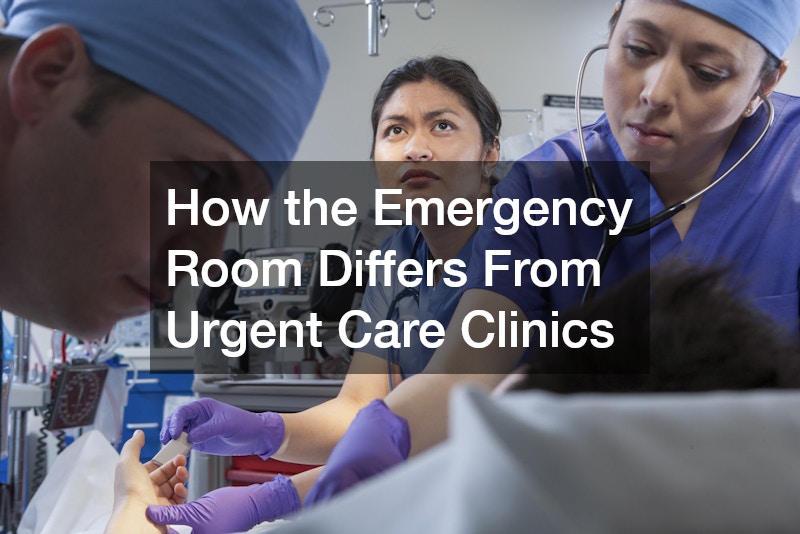
When a sudden illness or injury strikes, many people are unsure where to go for care. Should you head to an urgent care clinic, or is a hospital setting more appropriate? Understanding the difference can save time, reduce stress, and potentially protect your health. While both facilities provide immediate medical attention, they serve distinct purposes and operate under different capabilities. Knowing how an emergency room differs from urgent care clinics can help you make confident decisions during unexpected health situations.
Level of Care and Medical Capabilities
The most significant difference between an emergency room and an urgent care clinic lies in the level of care each can provide. Hospital-based facilities are designed to treat severe, life-threatening conditions.
These include heart attacks, strokes, major trauma, severe breathing difficulties, and uncontrolled bleeding. They are equipped with advanced life-support equipment, full laboratory services, imaging technology such as CT scans and MRIs, and access to specialists at any hour.
Urgent care clinics, on the other hand, are designed for non-life-threatening conditions that still require prompt attention. These facilities typically handle minor fractures, sprains, mild asthma attacks, ear infections, flu symptoms, minor cuts that may need stitches, and similar concerns. While many clinics have X-ray capabilities and basic lab testing, they are not equipped to handle critical emergencies or complex surgical interventions.
In short, hospital-based emergency services provide comprehensive, high-acuity care, while urgent care clinics focus on moderate illnesses and injuries that do not pose an immediate threat to life.
Wait Times and Triage Systems
Another key distinction involves how patients are seen and prioritized. In an emergency room, patients are treated based on the severity of their condition, not the order in which they arrive. This process, known as triage, ensures that those with life-threatening issues receive immediate attention. For example, someone experiencing chest pain or severe trauma will be treated before someone with a minor injury, even if they arrived later.
This prioritization can sometimes lead to longer wait times for patients with less serious concerns. However, the system is designed to protect those in critical condition.
Urgent care clinics typically operate on a first-come, first-served basis, although some allow patients to reserve time slots online. Because they treat less severe cases, wait times are often shorter and more predictable. For individuals with manageable conditions who want quicker service, urgent care can be a convenient option.
Understanding this difference helps patients set realistic expectations when seeking treatment.
Cost and Insurance Considerations
Cost is another factor that separates the two options. Care provided in an emergency room is generally more expensive than services at urgent care clinics. This is due to the advanced equipment, 24/7 staffing, and specialized capabilities available in hospital settings. Even if your condition turns out to be minor, the infrastructure required to maintain readiness for serious emergencies contributes to higher overall charges.
Urgent care clinics typically offer more affordable treatment for non-critical issues. Many clinics clearly list their pricing, and copays are often lower compared to hospital-based care. For patients with high-deductible insurance plans or limited coverage, this difference can be significant.
However, cost should never outweigh safety. If you are unsure whether your condition is severe, it is always better to err on the side of caution and seek the highest level of care available.
Availability and Access to Specialists
Hospital emergency departments operate 24 hours a day, seven days a week, including holidays. They are connected to the broader hospital system, meaning patients have immediate access to specialists such as cardiologists, neurologists, trauma surgeons, and orthopedic surgeons. If admission is required, the transition from emergency treatment to inpatient care happens seamlessly.
Urgent care clinics generally have extended hours, including evenings and weekends, but they are not always open overnight. While staffed by qualified medical professionals, they do not have immediate on-site access to specialists. If a patient’s condition exceeds the clinic’s capabilities, the staff will refer or transfer them to a hospital for further treatment.
This access to comprehensive services is one of the defining features that sets hospital-based emergency care apart from urgent care centers.
Choosing between urgent care and a hospital setting depends largely on the severity of the medical issue. Urgent care clinics are ideal for minor illnesses and injuries that require prompt attention but are not life-threatening. They often provide faster service at a lower cost, making them a practical choice for many everyday health concerns.
In contrast, an emergency room is equipped to handle serious, complex, and potentially life-threatening conditions at any time of day. With advanced diagnostic tools, specialist access, and full hospital support, it provides the highest level of immediate medical care.
Making the right choice can improve health outcomes, reduce unnecessary stress, and ensure medical resources are used efficiently. By understanding these differences, patients can act quickly and confidently when faced with unexpected medical situations.